
Roman tonda
Crisp and light, baked in a pan and pulled thin, so the base shatters instead of bending. The chapter explains why it wants a lower hydration than a Naples dough.
About the author · Marco's Pizza
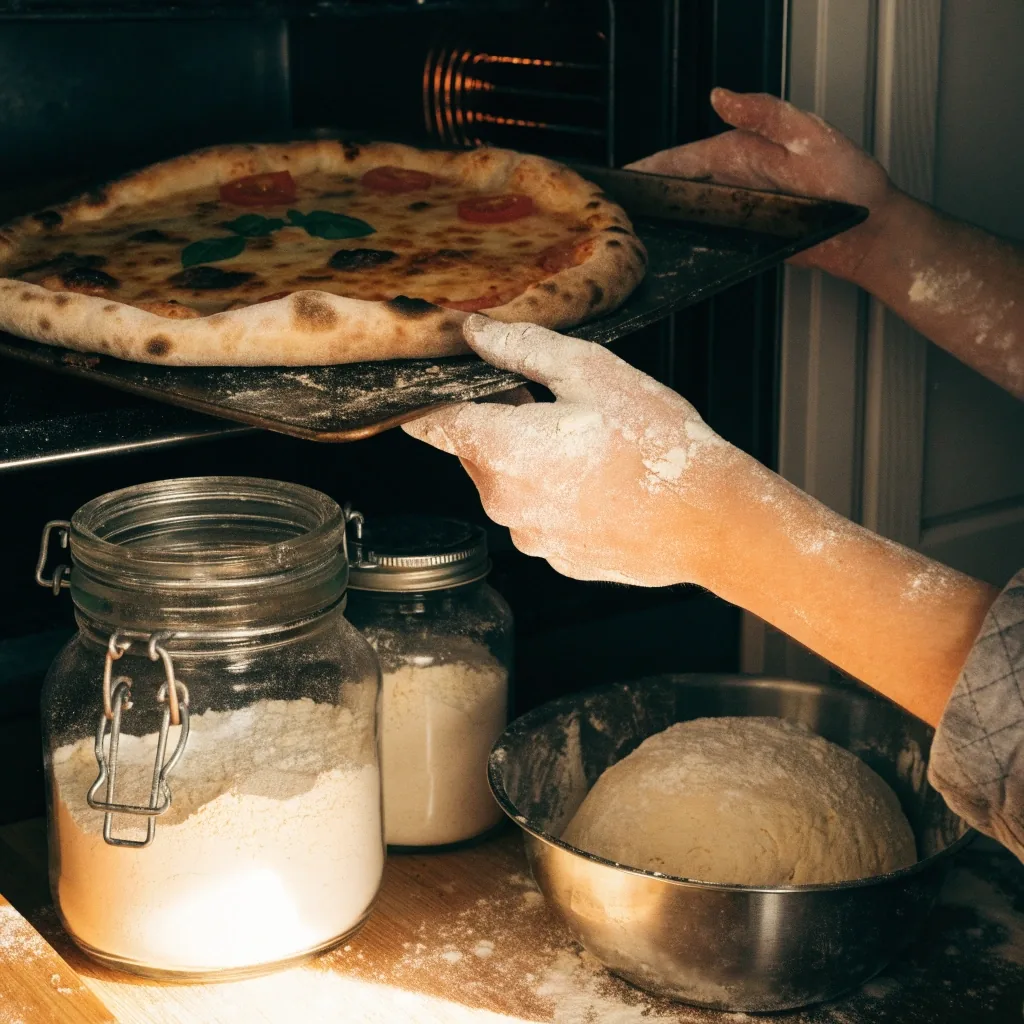
Marco's Pizza — The Cookbook came out of years of testing dough at home, in ordinary kitchens with ordinary ovens. It is a collection built by someone who cooks pizza the way you do.
Dough, then notes, then a book
It started with a single dough that would not rise. That is a common origin story for home pizza, and it led to a long stretch of testing hydration, fermentation times, and oven temperatures against each other. Over time the notes turned into formulas, and the formulas turned into a book organized by style rather than by ingredient.
Sorting by style changed what the book could say. A Naples dough and a Detroit dough are not the same recipe with different toppings; they ask for different flour, different pans, and different patience. Grouping them that way let each chapter explain its own logic instead of repeating a single method seven times.
The first two years of that work were not written to be read. They were written so the same mistake would not happen twice — a log of what the dough did, not what it was supposed to do. That habit is why every recipe in the finished book states what to expect at each stage, not just what to do.
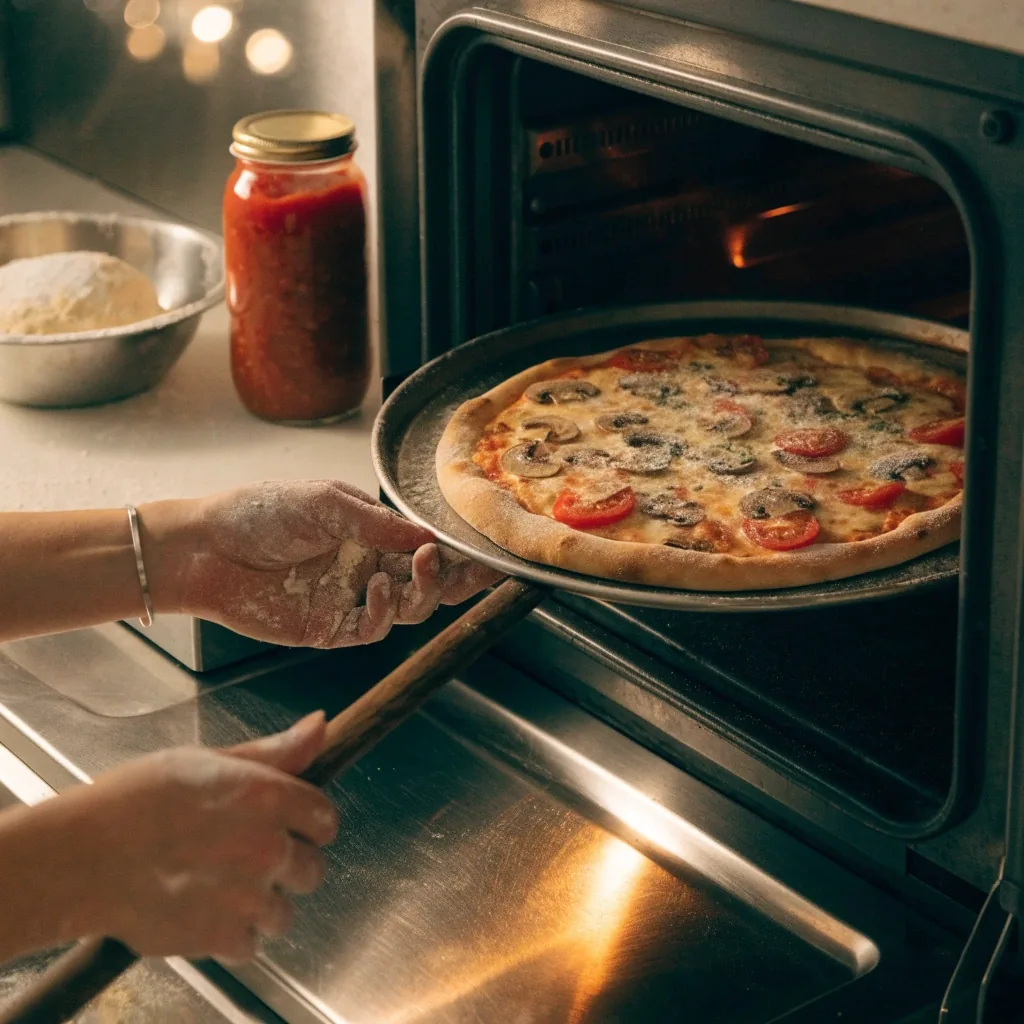
Every recipe in the book was tested in a home oven, not a commercial one. That constraint shaped the collection. Recipes are marked where equipment changes the outcome, and nothing assumes you own a wood-fired oven or a proofing box.
Where a temperature-controlled proofing box like the Brod & Taylor Folding Proofer helps with fermentation timing, the book says so, but it also explains what to do without one.
A kitchen scale
Weights, not cups. Flour volume changes with the weather and the bag.
A bowl and an oven
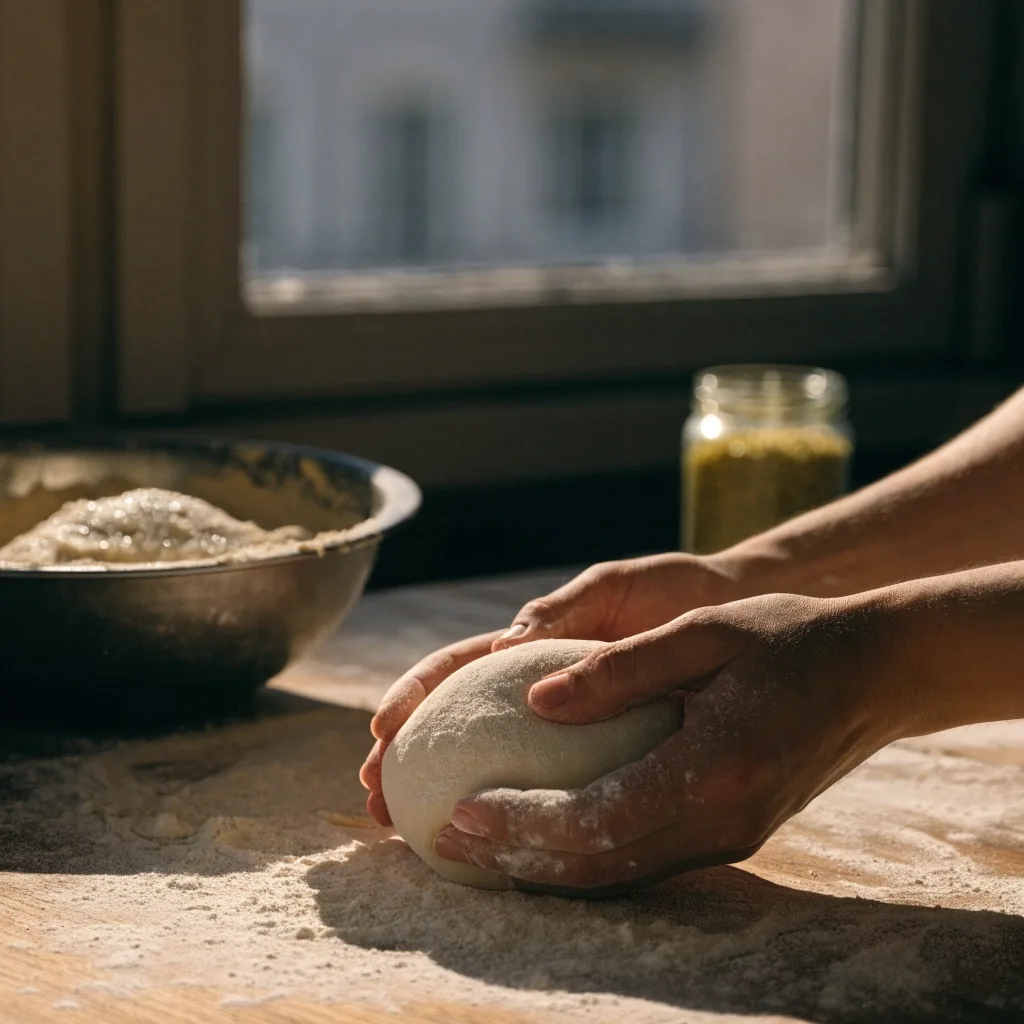
No mixer needed. Hand mixing is how most of the testing was done.
Steel or stone, later
It improves the base. The book shows what changes when you add one.
Why the differences matter
Naples, Rome, New York, Detroit, Chicago — each one solves a different problem.
Flattening them into one universal recipe would have been easier to write and less useful to cook from.
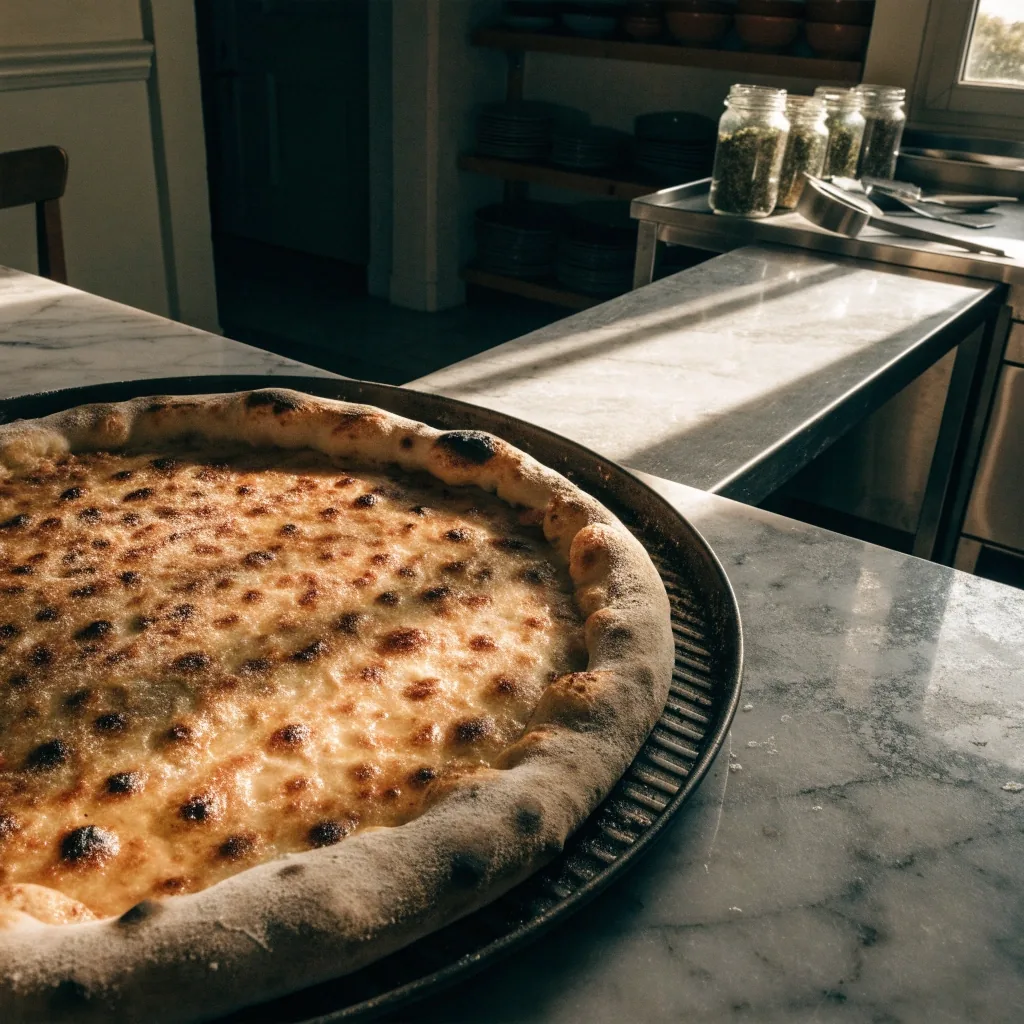
The style chapters come from eating pizza where it is made. Each city does something the others do not, and the book tries to capture that rather than flatten it into one universal recipe.
Crisp and light, baked in a pan and pulled thin, so the base shatters instead of bending. The chapter explains why it wants a lower hydration than a Naples dough.
Pan-baked and thick, with crisped cheese running up the sides of the pan. The chapter covers the pan, the cheese placement, and the sauce on top.
Fried, not baked. From the stalls of Naples, and the one chapter where your oven stays off entirely.
New York and Chicago sit alongside them, plus the regional variations that never made it into a chain menu. Each style gets its own chapter with the dough written first, the shaping second, and the toppings last — because that is the order the decisions actually happen in.
There are good books written for people chasing competition technique. This is a different shelf.
Why, not just how
For people who want to understand why a recipe works, not just follow it. Each chapter explains what the dough is doing during the rest, so a change in your kitchen is something you can reason about instead of guess at.
After a disappointing first try
For cooks who have tried pizza at home and gotten something disappointing. Flat crust, gummy center, or a base that stuck to the peel are all covered, with the specific cause named and the fix written next to it.
Organized around the styles
For anyone who has looked at the range of pizza books available and wanted one organized around the styles themselves, with the dough explained first. If you already know which pizza you want to make, you can go straight to that chapter and read the dough section on its own.
A kitchen scale, a bowl, and an oven. That is the baseline. From there, a baking steel or stone helps, and a proofing box helps with timing, but neither is required to start.
The beginner path in the book points you toward the most forgiving recipes first — longer rests, wetter doughs, and styles that do not punish a slow hand.
No wood-fired oven, no proofing box, no stand mixer, no pizza peel. The book names each one where it changes the result, and what to do when you do not have it.
Recipes mark where oven behavior matters, so a slower preheat or an unreliable dial does not leave you guessing at the end.
Each style chapter stands alone, but the dough fundamentals at the front are worth one pass before you pick a chapter to cook from.
Questions about the book, bulk orders, or gift copies go through the contact page. Orders are handled by invoice rather than by card online.