
From Naples to Detroit
Pizza Styles Around the World, Explained
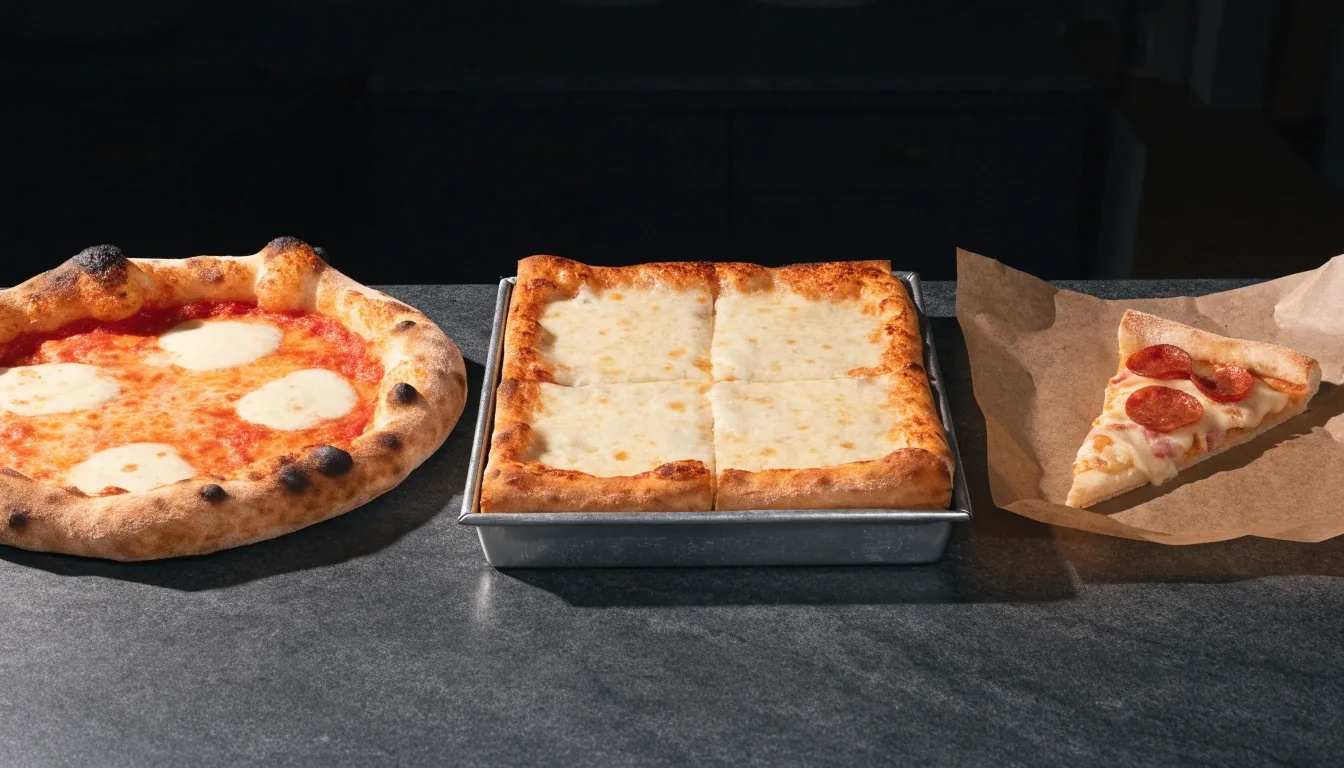
Pizza is not one dish. It is a family of dishes that share a name and not much else. Naples, Rome, New York, Detroit, Chicago, and the fried pizza stalls of Naples each arrived at a different answer to the same question: what should dough, heat, and toppings do together?
Styles in this chapter
- Neapolitan — soft, blistered, fast
- Roman tonda — crisp and light
- New York — foldable and sturdy
- Detroit-style — pan-baked, crispy edges
- Chicago deep dish — its own argument
- Pizza fritta — fried, not baked
One word, six very different dinners
This page walks through the major styles the cookbook covers, so you can pick the one you want to cook first. Marco's Pizza — The Cookbook treats each tradition as its own dough, its own shaping method, and its own baking setup. Nothing here is a variation on a single master recipe, which is exactly why a Detroit-style pan pizza and a Neapolitan round behave so differently in the same kitchen.
If you already know which pie you order, start there. If you are deciding, read the six chapters below in order: each one names the texture it produces, the equipment it asks for, and the mistake most home cooks make the first time. Then jump to the style that matches the oven you actually own.
The question behind every style
Same three ingredients. Six different answers.
Flour, water, and heat do most of the work in every style on this page. What changes is how much water, how long the dough rests, whether it bakes on a stone, a steel, or in a pan, and how hot the oven runs. Those four decisions produce the soft blistered center of a Neapolitan pie, the crackle of a Roman tonda, and the lacy fried edges of pizza fritta.
Naples
Neapolitan: soft, blistered, fast
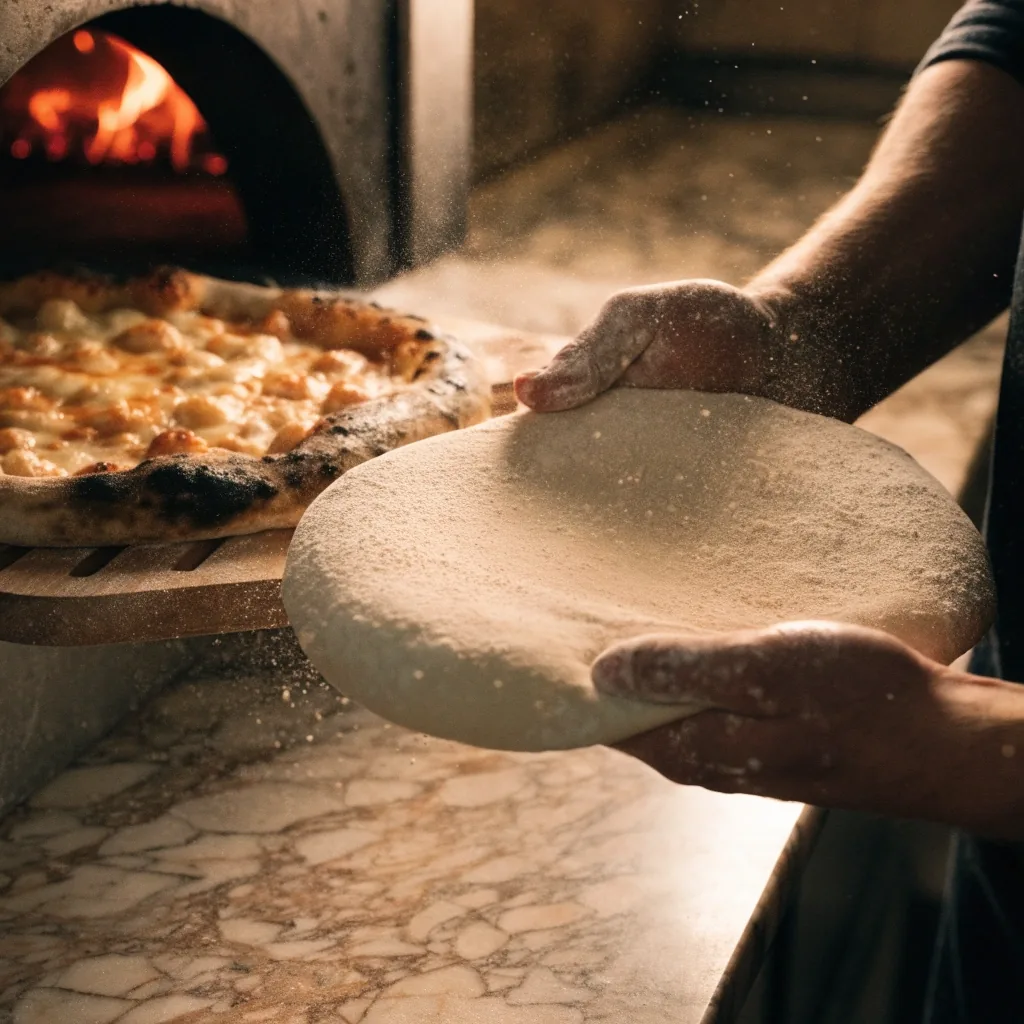
Neapolitan pizza is baked hot and fast, which gives it a soft center, a puffy rim, and the charred blistering that defines the style. The dough is usually simple: flour, water, salt, yeast. What makes it work is heat. A home oven cannot fully replicate a wood-fired floor, but a baking steel and a preheated top element get you closer than you would expect. Eat it fast, because it does not improve with sitting.
What the chapter covers
A direct dough with a short room-temperature rise, shaping by hand without a rolling pin, and the oven setup that gets a home steel hot enough. The chapter also walks through the toppings that survive a two-minute bake and the ones that turn to water.
Rome
Roman tonda: crisp and light
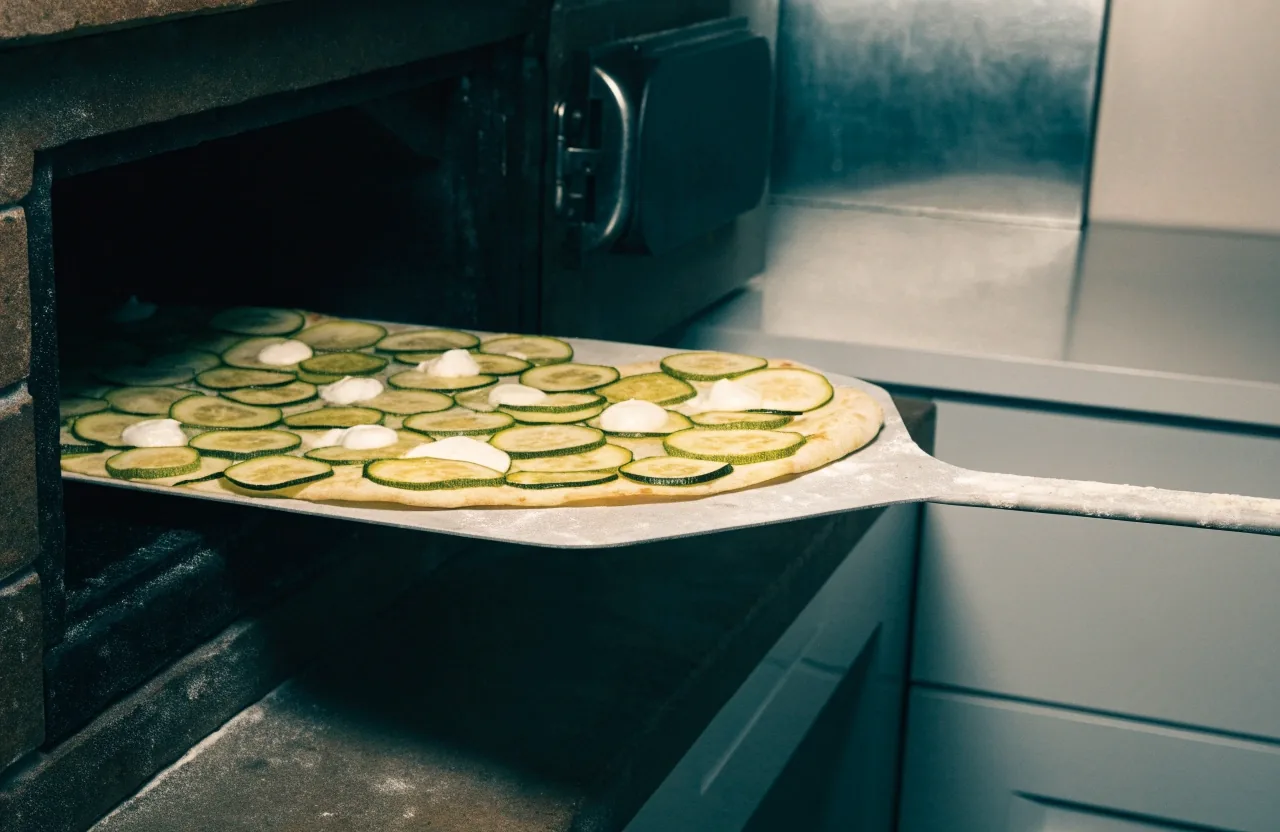
Roman tonda is a thin-crust style with a crisp, light profile rather than a thick chew. It bakes longer at a lower temperature than Neapolitan, which is part of why it is more forgiving in a home oven. If you prefer a pie you can hold without folding, this is a good place to start. The cookbook treats it as its own dough, not a stretched Neapolitan.
Texture
Crisp all the way through, light in the hand, no flop when you lift a slice.
Home oven fit
Bakes at a temperature a standard oven reaches without a steel or a modified broiler.
New York
New York: foldable and sturdy
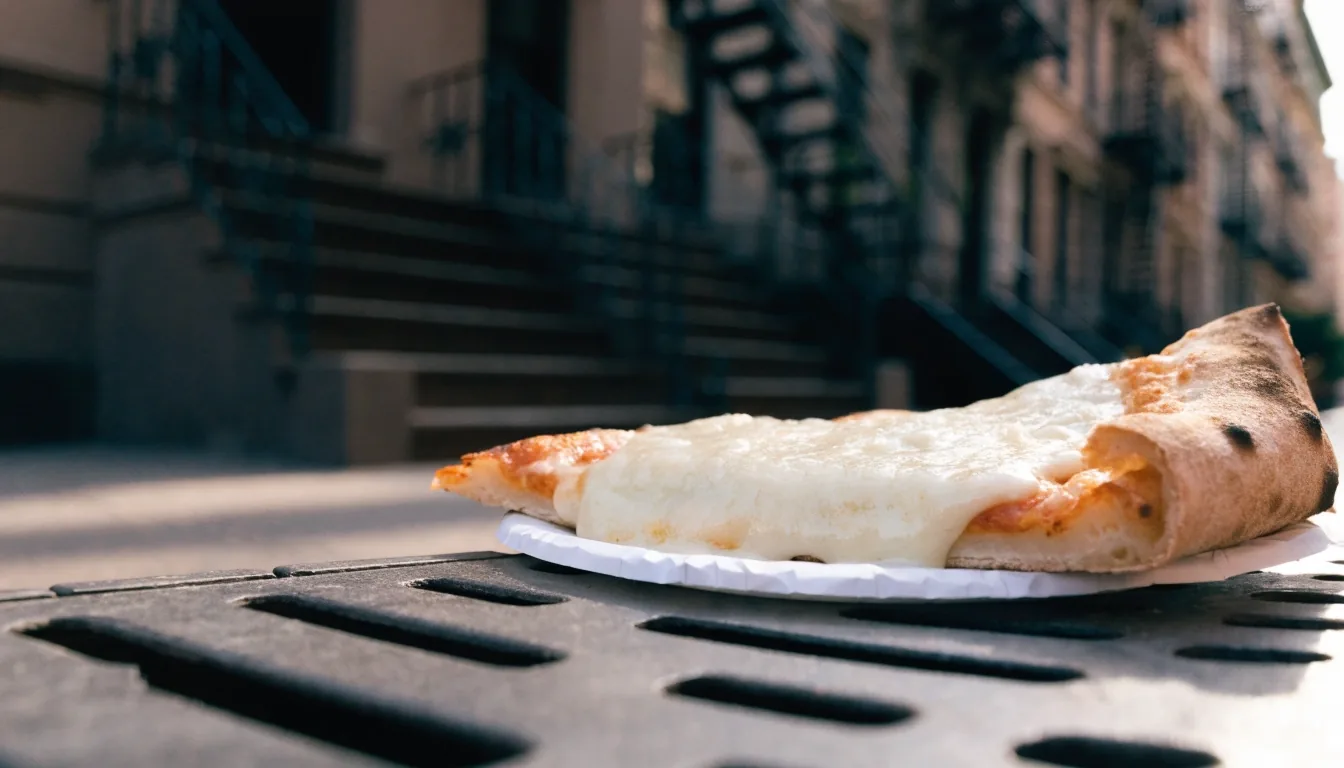
New York-style pizza sits between Neapolitan and something thicker, with a crust strong enough to fold and a chew that holds up to generous toppings. It is the style most Americans picture when they hear the word pizza, and it is also one of the most adaptable at home. The dough usually gets a longer fermentation, which builds flavor and makes the crust easier to stretch.
Why it works at home
- A slow, cold ferment over a day or two makes the dough easier to open by hand.
- The base is wide and thin, so the toppings cook through instead of steaming.
- A home oven at full heat with a steel on the middle rack gets the underside right.
Detroit-style: pan-baked with crispy edges
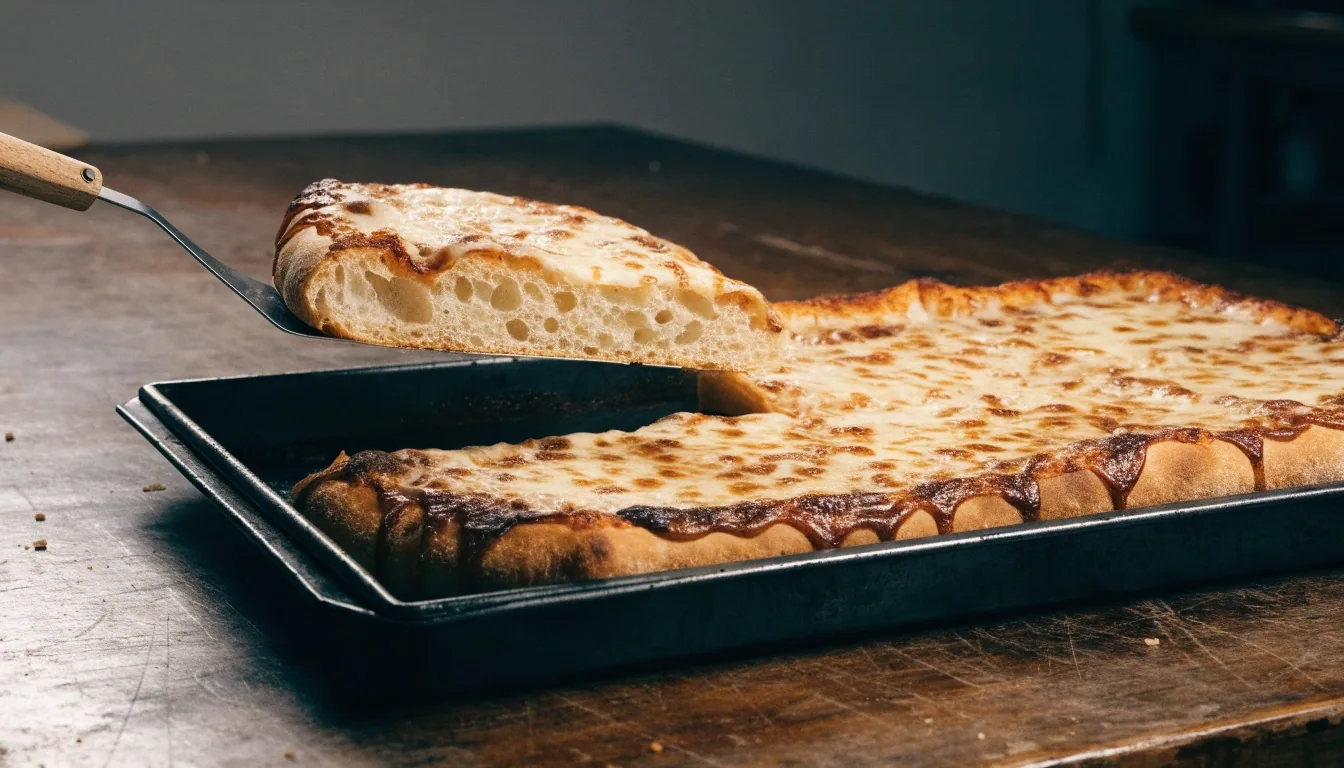
Detroit-style is a pan pizza with a thick, airy crust, a rectangular shape, and crisped cheese running down the edges of the pan. It has become one of the most discussed American pizza styles in recent years, and for good reason: the texture is unlike anything else in the category.
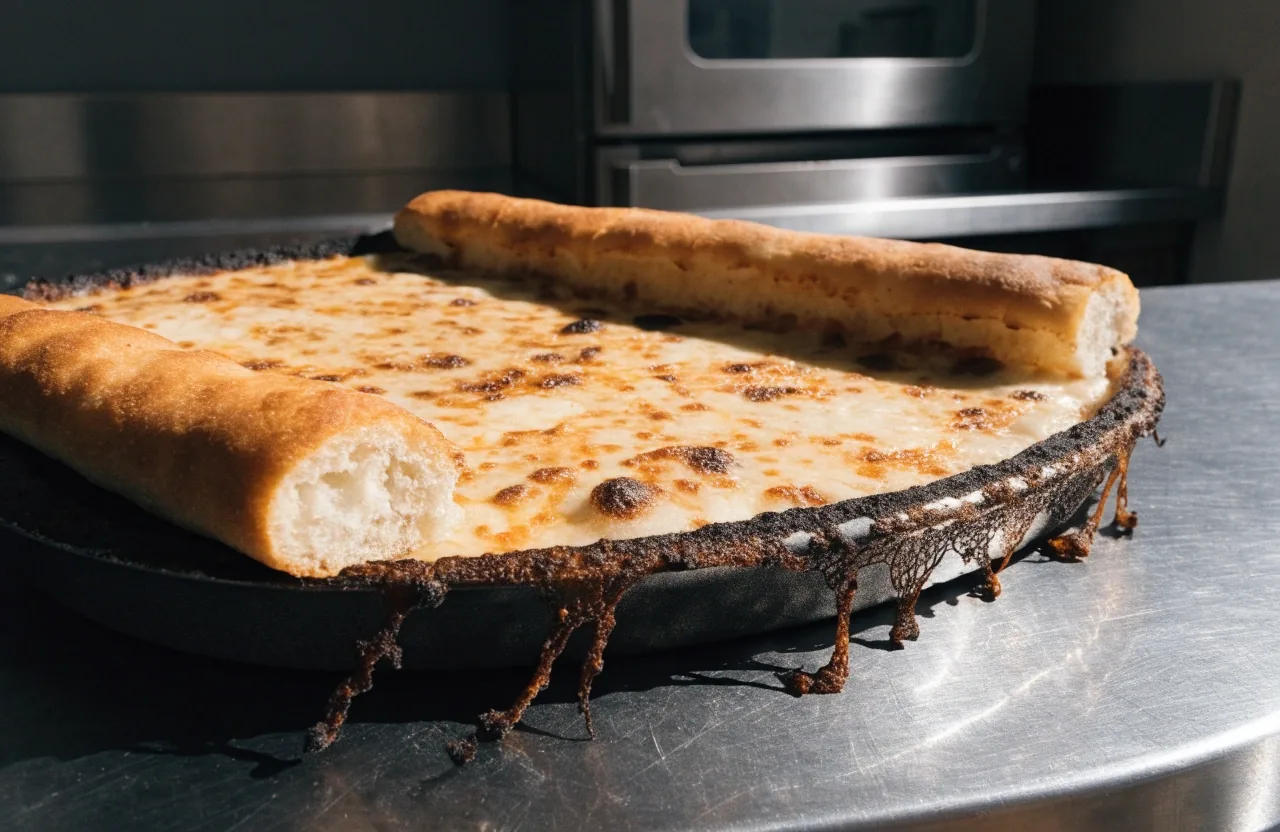
The dough is wetter and more relaxed than a hand-stretched pie, which makes it forgiving for beginners. Cheese goes to the edges on purpose — that is the whole point of the style, and it is the step most first attempts get wrong by leaving a border of bare dough.
Pan notes
- A straight-sided metal pan is what produces the crisp edge; a glass dish will not brown the same way.
- Let the dough relax in the oiled pan before stretching it into the corners, or it will pull back.
- Bake low in the oven so the base sets before the top browns.
Chicago
Chicago deep dish: its own argument
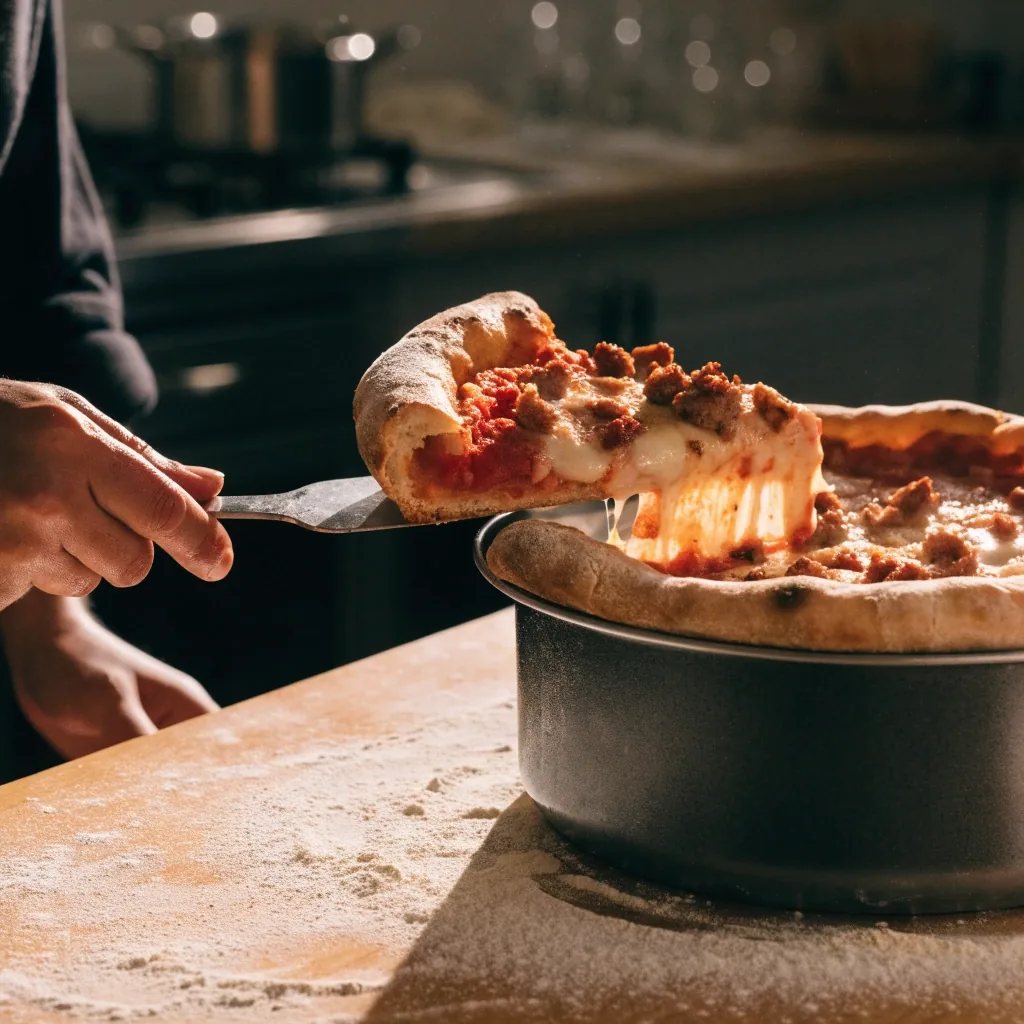
Chicago deep dish is less a pizza than a casserole with a crust, and that is not a criticism. It is built in a deep pan, layered with cheese and toppings, and finished with sauce on top. The dough is richer than most pizza doughs, often with some oil or butter in it. If you want a project, this is a good one.
The chapter breaks the build into stages — pressing the dough up the pan wall, sealing the layers so the sauce does not sink, and giving it a long enough bake that the center sets. It is the slowest recipe in the book and the one that rewards patience most.
Naples street food
Pizza fritta: fried, not baked
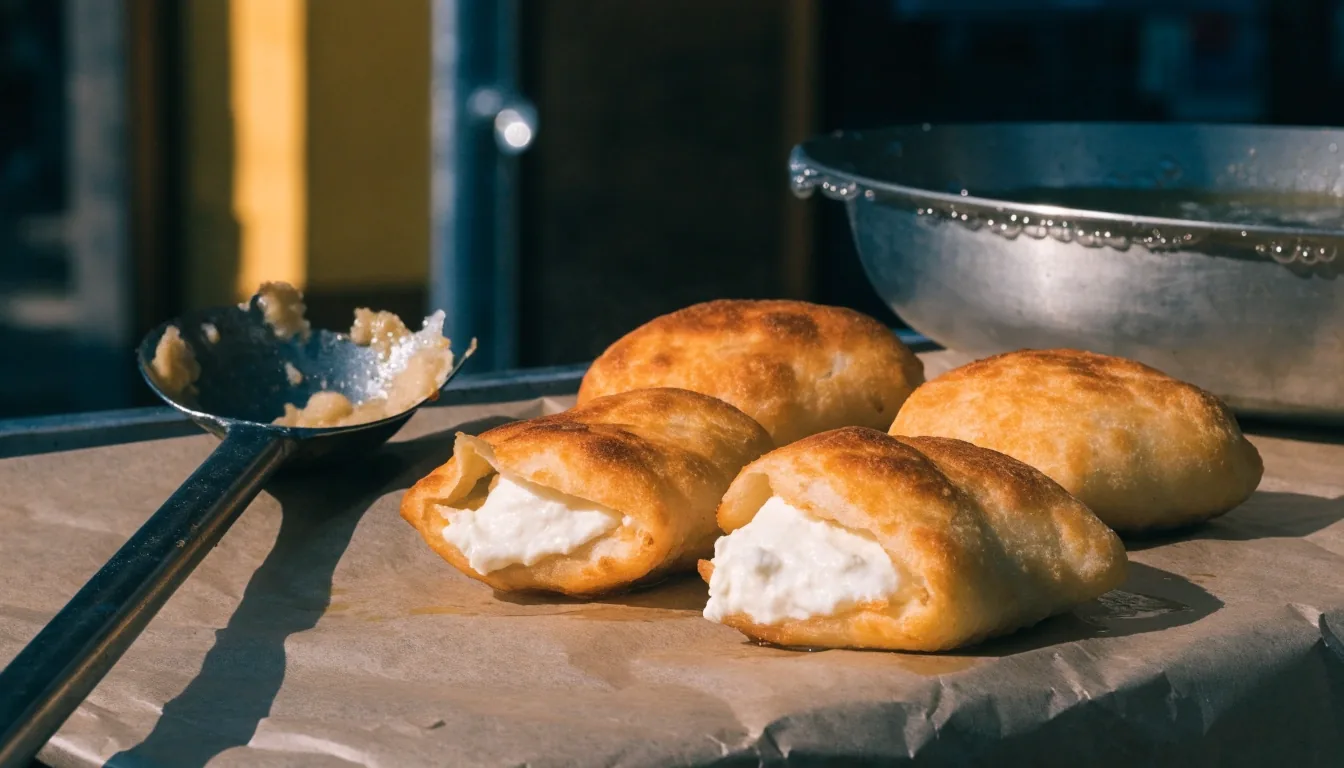
Pizza fritta is a Naples street food where the dough is sealed and fried rather than baked. It is a recognizable Italian variation that shows up in world-pizza roundups precisely because it breaks the oven assumption. The result is chewy, blistered, and rich. It is worth trying once, if only to understand how much of pizza is really about the dough.
Before you start
Frying pizza dough needs steady oil temperature and a dough that is fully proofed. Underproofed dough tears when you seal it, and the filling leaks into the oil. The chapter covers the sealing fold, the oil range to aim for, and how to drain the finished pocket so it stays crisp.
How to choose your first style
Pick the style you already like eating. If you love a crisp base, start with Roman tonda. If you want something forgiving and dramatic, Detroit-style is a good first pan pizza. If you want the classic, start with New York. The cookbook marks which recipes are most forgiving for a first attempt, so you are not guessing.
If you like this
Start with
You will need
What to expect
If you like this
A cracker-crisp base and a light bite
Start with
Roman tonda
You will need
A standard oven and a metal peel or a flat tray
What to expect
Bakes longer at a lower heat, so it is harder to burn than a Neapolitan pie
If you like this
Thick, airy crumb with a crisp edge
Start with
Detroit-style
You will need
A straight-sided rectangular metal pan and a little patience while the dough relaxes
What to expect
A wetter dough that is hard to ruin and easy to press into the pan
If you like this
A slice you can fold and eat standing up
Start with
New York
You will need
A baking steel and a day or two of fridge time for the dough
What to expect
A long ferment that builds flavor and a base that stretches without tearing
If you like this
A soft center and a blistered, chewy rim
Start with
Neapolitan
You will need
A baking steel, a hot top element, and a short window to serve it
What to expect
A fast bake that rewards attention more than equipment
If you like this
A slow weekend project with a knife-and-fork slice
Start with
Chicago deep dish
You will need
A deep pan and a couple of hours at home
What to expect
A layered build that takes longer than any other recipe in the book
What changes between styles
Dough hydration, fermentation time, pan or no pan, and baking temperature. That is most of it. A Detroit-style dough is not a Neapolitan dough in a different pan, and a Roman tonda is not a stretched New York. Understanding those differences is what the style chapters are for.
Hydration
A wetter dough gives a more open crumb and a softer center. A drier one gives a tighter, crisper base. Moving between them changes how the dough handles before it ever reaches the oven.
Fermentation time
A few hours at room temperature and two days in the fridge produce different flavors from the same flour. The style chapters name a range for each recipe rather than one fixed number.
Pan or no pan
A pan shapes the crust from the sides and traps heat against the cheese. A free-form pie relies on the stone or steel underneath. Both are correct — for different styles.
Baking temperature
Two minutes at very high heat and twelve minutes at moderate heat do not produce the same pizza. The chapters set each recipe's temperature against the equipment most homes already have.
Common questions
Before you pick a chapter
A few things readers ask most often when they are deciding where to start.
Do I need a special oven to cook any of these? Open Close
No. A standard home oven handles Roman tonda, New York, Detroit-style, and Chicago deep dish with the equipment already in most kitchens. Neapolitan gets closest with a baking steel and a hot top element rather than a wood-fired floor, and the chapter explains what that change does to the bake time.
Can I use one dough for every style in the book? Open Close
You can, but you will not get the style you were aiming for. A Detroit-style dough is wetter and more relaxed than a Neapolitan dough, and a Roman tonda is not a stretched New York. Treating each as its own dough is the difference between a pie that looks right and one that tastes right.
Which style is easiest for a first attempt? Open Close
Detroit-style and Roman tonda are the most forgiving, for different reasons. The Detroit dough is hard to tear and presses into the pan by hand. The Roman tonda bakes at a temperature that leaves room for error. The cookbook marks the most forgiving recipes for a first attempt so you are not guessing.
Are these recipes written for one country's kitchen? Open Close
The collection spans Naples, Rome, New York, Detroit, Chicago, and Naples again for pizza fritta, and the recipes are written for home equipment rather than professional ovens. Measurements are given by weight where it matters most, and the chapters note where an ingredient behaves differently between brands.
Pick a style, then open the book
Every style on this page has its own chapter in Marco's Pizza — The Cookbook, with the dough, the shaping, the bake, and the notes that keep a first attempt from going sideways. If you already know which one you want to cook, the recipes and techniques section is where the methods live. If you are still deciding, start with the chapter that matches the oven you own.
Questions about the book
745 Basil Avenue, San Francisco, CA 94110
Monday–Friday: 9:00 AM – 6:00 PM
Saturday: 10:00 AM – 4:00 PM